
Zimbabwe defeat exposes deep cracks in Kenya’s rugby system
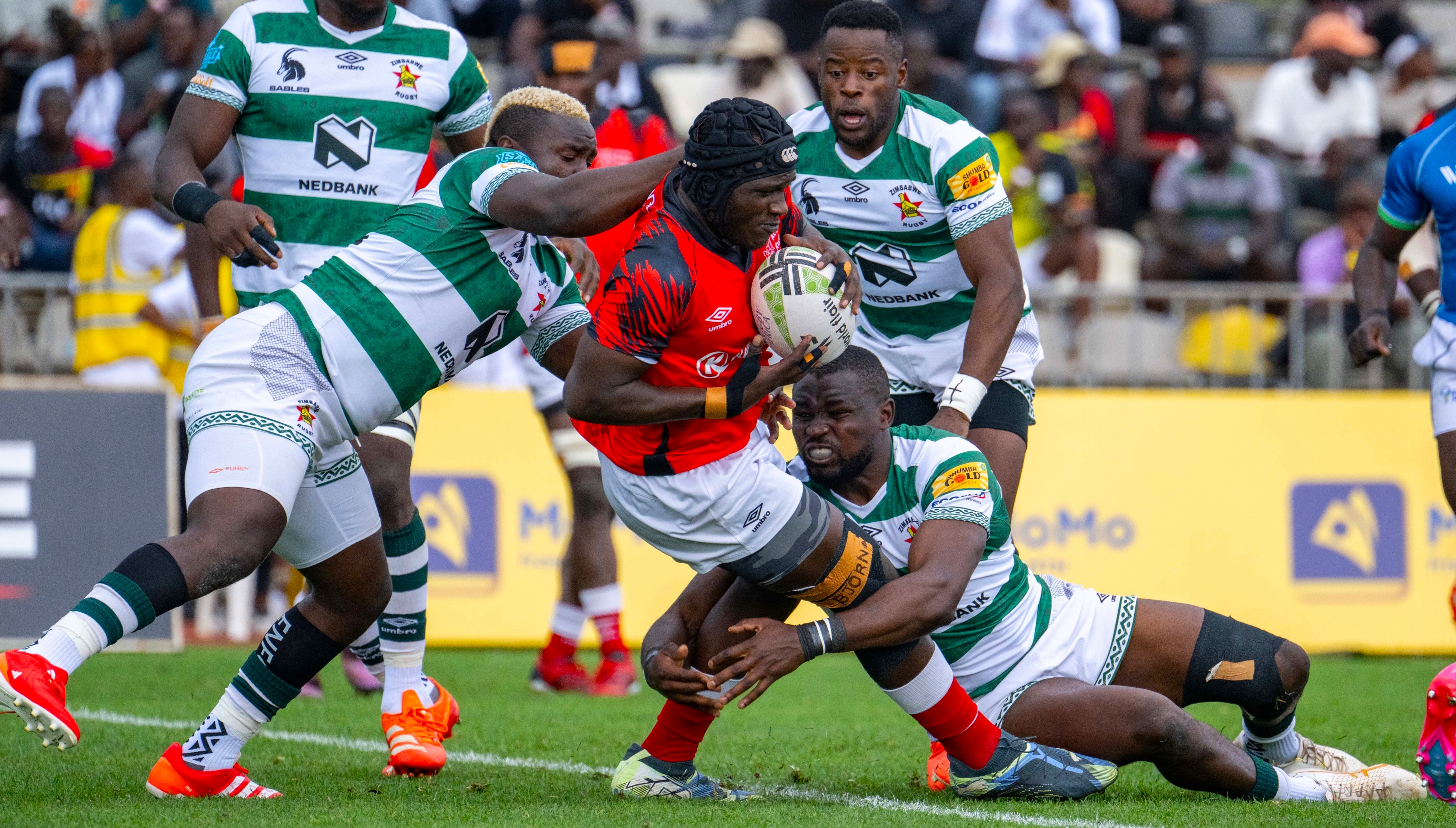
Kenya’s national men’s rugby 15s team, the Simbas, have once again missed out on a chance to qualify for the Rugby World Cup. On Sunday, the Simbas fell 29-23 to Zimbabwe in the semifinals of the Rugby Africa Cup, played at Mandela National Stadium in Uganda.
The defeat means Kenya will not be at the 2027 Rugby World Cup in Australia, extending their painful wait for a debut appearance on the sport’s biggest stage.
The match was closely contested, with both teams showing great determination and skill. However, it was Zimbabwe’s Sables who took their chances better, sealing a narrow six-point win to advance to the final.
For Kenya, the journey now ends in disappointment once again. The Simbas will now face Algeria in the third-place playoff on July 19, with only a bronze medal left to fight for.
The result is a huge blow to Kenya’s hopes of joining the world’s best rugby nations. It is a repeat of what happened in the 2023 qualifiers, where Kenya reached the final and the repechage but fell short in the key moments.
Once again, the team had held a training camp in South Africa to prepare. However, the short-term plan failed to deliver results, as seen in Sunday’s game.
“It is my prayer that Rugby World Cup qualification doesn’t get forgotten again and only brought up a year before it’s time,” said one concerned stakeholder after the match. “I also pray that the new, energetic, corruption-free KRU board is coherent enough to put a clear plan in place now and ensure that the Pathways Manager does his job.”
For Kenya to finally qualify for the World Cup in the future, experts agree that long-term planning is needed. The one-month training camps in South Africa just before major qualifiers are no longer enough.
Instead, Kenya needs a five-year preparation plan that includes regular international matches against top sides like Namibia, Zimbabwe, USA, Samoa, Fiji, and even South Africa.
South Africa’s Springboks, the reigning world champions, are a perfect example of how proper structures and planning can build a world-class team.
They play tough opponents often, which helps sharpen their skills and game strategies. This should be a lesson for Kenya.
Back at home, Kenya has a rich source of young talent from schools like Kakamega High, St. Mary’s Yala, Kisii School, Butula, Vihiga, and others. Unfortunately, many of these players disappear from the sport after school because there is no national system to mentor them and guide them into professional rugby.
Only a few are lucky to be signed by top clubs like Kabras Sugar, KCB, and Menengai Oilers.
Kenya Rugby Union (KRU) must now develop a working youth pathway. A national program should be introduced to identify players as young as 18, fresh from school.
Regular rugby clinics, age-grade tournaments, and international exposure for youth teams will help prepare future Simbas who are experienced and hungry to perform.
More importantly, heavy financial investment is needed. Instead of endless boardroom battles over finances and control, officials should focus on the players. Funds should be used to grow the game, from grassroots to the top level.
The defeat to Zimbabwe is painful, but it should be a wake-up call. Kenya must start building now if they are serious about qualifying for the 2031 Rugby World Cup.
Without long-term vision, commitment, and investment in the players and the systems that support them, the World Cup dream will continue to slip away.